
Understanding the psychology behind casino games and player behavior
The Allure of the Casino Environment
The ambiance of a casino is carefully crafted to evoke excitement and thrill, creating an environment where players feel compelled to engage. Bright lights, vibrant sounds, and the continuous flow of activity stimulate the senses and heighten emotional responses. This sensory overload can impact decision-making processes, often leading to impulsive betting behavior as players seek to find immediate gratification, making it crucial to understand how online casinos operate and their effects on player psychology.
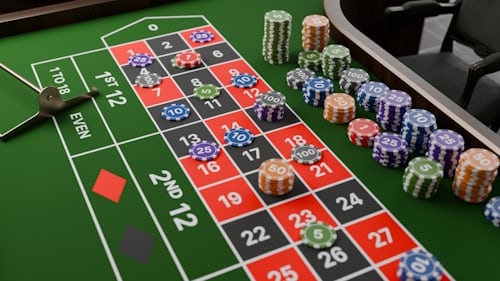
Moreover, the layout of gaming floors is strategically designed to keep players engaged for extended periods. Casinos often employ a circular design, encouraging movement and exploration. This concept of ‘gambling in the round’ enhances player immersion, making it difficult to discern time spent and money wagered, thus amplifying the potential for risk-taking behavior.
The Role of Cognitive Biases in Gambling
Cognitive biases play a significant role in how players perceive their odds and outcomes when gambling. For instance, the illusion of control leads players to believe they can influence outcomes in games based on chance, such as slots or roulette. This mindset can result in continued play despite losses, as players hold onto the belief that a win is just around the corner.
The availability heuristic—a mental shortcut that relies on immediate examples—also influences decisions in gambling. For example, after witnessing someone hit a jackpot, players might overestimate their own likelihood of winning. Such biases can foster reckless gambling behaviors, as players often ignore the inherent risks associated with games of chance.
The Emotional Dynamics of Winning and Losing
The emotional highs and lows experienced during gambling significantly affect player behavior. Winning, even in small amounts, can trigger the release of dopamine, reinforcing the desire to gamble again. This phenomenon explains why many gamblers chase losses, believing that a big win is possible if they keep playing. Unfortunately, this can lead to a cycle of gambling addiction, where the emotional highs of winning overshadow the reality of consistent losses.
Conversely, the feelings of despair and frustration that accompany losing streaks can push some players to gamble even more in an attempt to recover their losses. This pattern reveals a critical aspect of gambling psychology, where emotional regulation becomes intertwined with gaming behavior, leading to dangerous gambling habits.
Social Influences and Community in Gambling
Social factors can profoundly shape player behavior in casinos. Many individuals are drawn to gambling as a social activity, where the thrill of the game is enhanced by the presence of others. Group dynamics can amplify the fun and encourage individuals to gamble more than they might alone. This communal aspect of gambling often leads to an environment where peer pressure can facilitate riskier betting behaviors.
Furthermore, online gambling communities have emerged, offering players a platform to share experiences and strategies. These interactions can reinforce both positive and negative gambling behaviors, as individuals may find themselves emulating the actions of more experienced gamblers. This social learning can significantly influence a player’s approach to risk and reward in their gambling activities.

Raising Awareness and Promoting Responsible Gambling
Websites like Stopthetraffik.com.au provide crucial resources for educating the public about responsible gambling practices and the risks associated with gambling addiction. Awareness campaigns emphasize the importance of understanding the psychological factors at play and encourage individuals to reflect on their gambling habits. By fostering a culture of informed players, these initiatives aim to mitigate the detrimental effects of problem gambling.
Engaging with organizations dedicated to combating issues related to gambling and human trafficking is vital. Such coalitions help promote awareness around the intersection of gambling behavior and social issues, supporting individuals in making safer choices. This collective effort can ultimately contribute to a more informed community that prioritizes the well-being of its members.